Social Coaching
Why Naturalistic Social Coaching Works
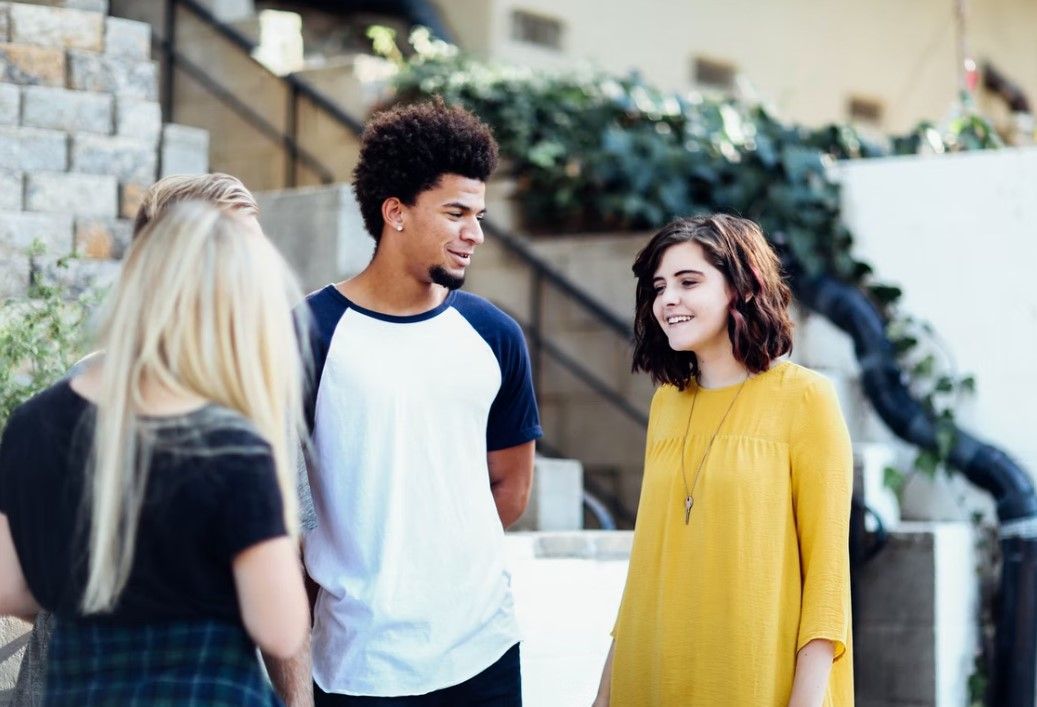
At Making Connections Toowoomba (MCT), we understand that social development flourishes in spaces where young people feel safe, engaged, and connected. That’s why our fortnightly social coaching groups are grounded in real-world, peer-based interactions—designed specifically for neurodivergent children and teens.
This term, we’ve hit the ground running. Already, our groups have explored essential skills like self-advocacy (speaking up rather than withdrawing or masking), flexible thinking, two-way conversations, and thinking with our brain and eyes to understand social feedback. These strategies aren’t taught in isolation—they’re practised in authentic group contexts and through playful, structured activities where participants can try, reflect, and adjust in the moment. Participants are also guided to notice their own social patterns and try new strategies—with encouragement and feedback from both peers and facilitators.
Why Naturalistic Settings Matter
While clinical settings can be helpful for teaching specific skills in a focused way, it’s also essential for young people to practise those social strategies in real-life contexts—with peers, in the moment, and with natural social feedback. Naturalistic settings also give participants the chance to practice and refine social skills in the very context where they’ll use them: with peers, in real time, and in meaningful interactions.
This approach aligns with research, and with what we see in our groups every week—social learning works best when it’s real, relevant, and shared with peers. Studies show that neurodivergent young people benefit most from programs that match their interests (Koenig & Williams, 2020), are run in everyday settings with peers (Foster et al., 2021), and focus on meaningful interaction—not just instruction (Gillespie-Lynch et al., 2021). When young people feel included and understood, they’re more likely to connect and grow.
What’s in it for your child?
By supporting participants to connect in their own way—and in their own time—our social coaching programs help build real confidence, stronger friendships, and greater self-awareness. And the best part? It’s fun! Because when young people enjoy the experience, they’re more likely to stick with it—and grow.
👉
Interested in social coaching for your child or teen?
Check out our 2025 program options (and stay tuned—our
2026 sessions will be released soon):
https://www.makingconnectionstoowoomba.com.au/msc