Therapy Hangover
Why Some Children & Teens Feel Tired After Therapy
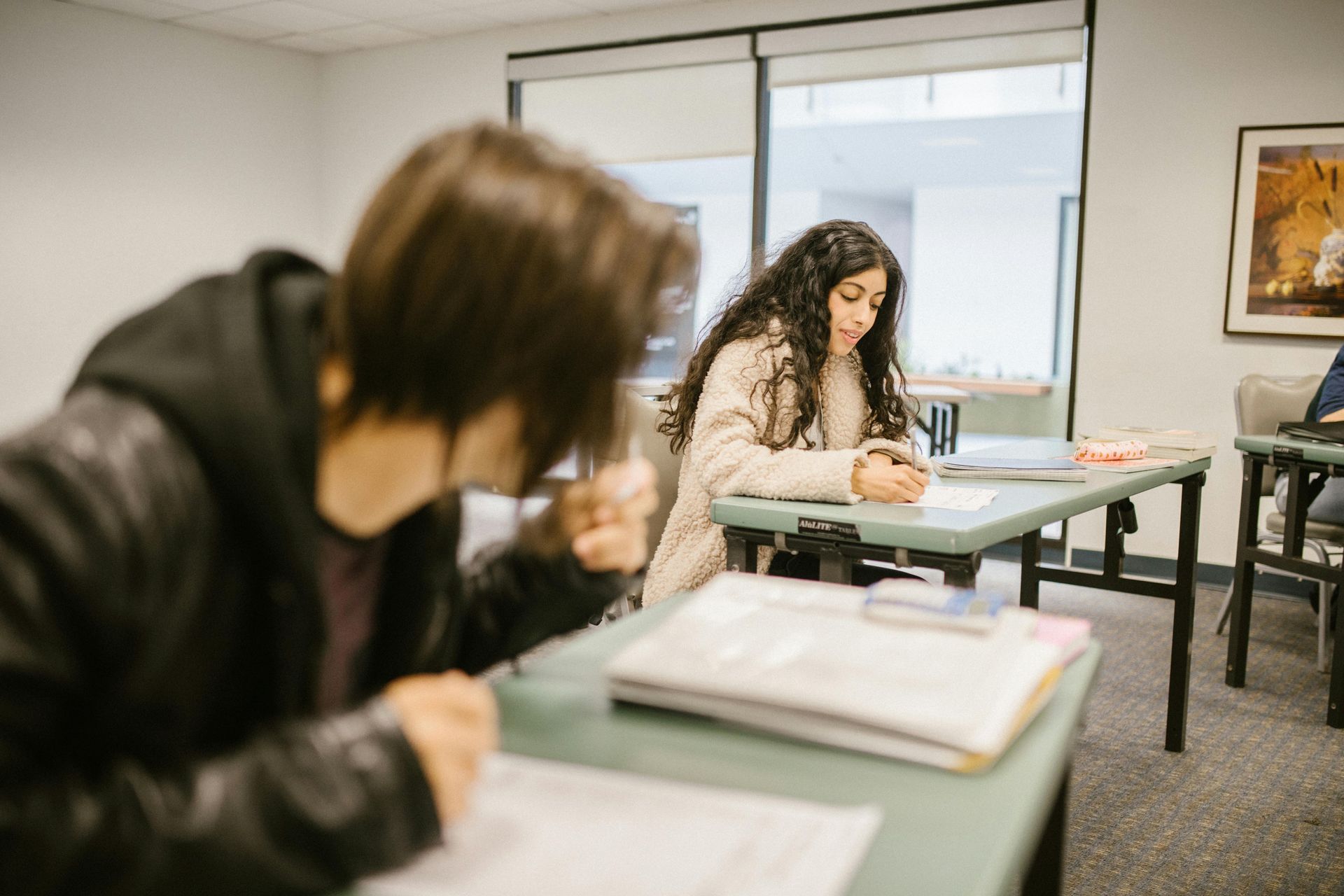
Have you ever noticed your child coming home from a counselling session feeling tired, irritable, or a bit “off”, even if they said the session went well?
Some psychologists informally refer to this as a “therapy hangover”, or more gently, post-therapy tiredness. It can happen because therapy often involves talking about emotions, reflecting on experiences, and learning new ways of coping. That kind of emotional and mental work takes energy, and the brain often continues processing the session even after it ends.
Things you might notice in your child or teen:
• Feeling unusually tired
• Irritability or emotional sensitivity
• Difficulty concentrating
• Wanting quiet time or space
For many children, these feelings pass within a few hours or by the next day. While it can feel concerning as a parent, it is often a sign that your child is engaging with the therapeutic process and processing important thoughts and emotions.
How parents can help:
💬 Keep expectations low right after the session
🧃 Offer a snack, rest, or quiet time
🎨 Encourage gentle expression through drawing, talking, or play
🚶 Support calming activities like a short walk or quiet play
If these reactions seem intense or last longer than a day or two, it’s always helpful to check in with your child’s therapist so sessions can be paced in a way that best supports your child.
A reassuring takeaway:
Feeling a little tired or emotional after therapy doesn’t mean therapy isn’t working. In many cases, it simply means your child’s brain is continuing to process and make sense of the work they’ve done in session.
Blog by:
Darcy Goodall
Provisional Psychologist
Important Note:
The information provided about therapy hangover is general in nature and intended for educational purposes only. It is not a substitute for personalised professional advice. If you have concerns about your young person’s wellbeing, we encourage you to speak directly with your clinician. If you believe someone may be at risk or in crisis, please seek immediate support through your GP or one of the services below.
Emergency 000
Emergency Services: 000
Mental Health Access Line
1300 MH CALL (1300 642 255) is a confidential mental health telephone triage service that provides the first point of contact to public mental health services to Queenslanders.
1300 MH CALL is available 24 hours a day, 7 days a week and will link to the caller’s nearest Queensland Public Mental Health service.
Kids Helpline
1800 55 1800
25 years and under
Lifeline Crisis Support
131 114
All ages, 24 hours
Suicide Callback Service
1300 659 467
Beyond Blue
1300 22 4636
24 hours
LGBTQIA+ support
QLife
1800 184 527
Aboriginal and Torres Strait Islander People
13YARN: 13 92 76
National crisis support for Aboriginal and Torres Strait Islander people
Mensline
1300 789 978